
How the World Wide Web Brings Peer Dentist Together for the Better Good

It’s no surprise that the internet has changed dentistry just as much as the rest of the world around us. While you might initially think that the world wide web has nothing to do with the way you treat a patient in your dental chair, we at CephX beg to differ. In fact, dentists that […]
Digital Dentistry: How it Increases Patient Quality of Care
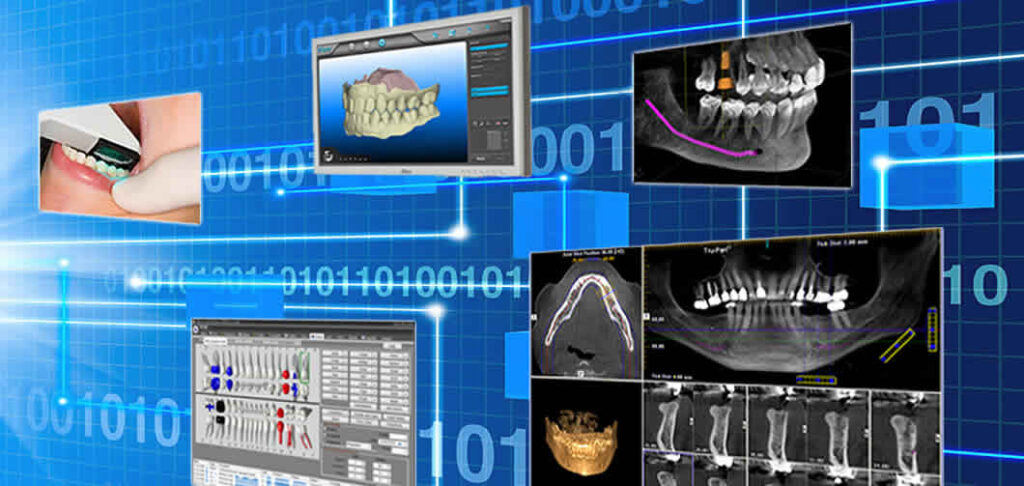
In the past decade alone, the dental industry has witnessed a revolution from within. From two-dimensional diagnostics to high-definition 3D dentistry that’s analyzed by specialists at remote partner sites, our patients are deserving of the most advanced oral health care now more than ever before. Visualizing the Experience for a Higher Case Acceptance Rate Seeing […]
Increasing Case Acceptance in Adult Orthodontic Patients

Most dentists and orthodontists are seeing a tremendous increase in the number of adult patients they’re seeing for orthodontic therapy. While there are a variety of reasons for this, many of them are related to the fact that today’s adults didn’t have access to getting braces as children. There’s also a greater appreciation for the […]
Common Psychological Aspects of Orthodontic Treatment -The Child, Adolescent and Adult Patient

As we all know, orthodontics is a long-term partnership. Psychological factors influence the choice of an orthodontist. Aside from protracted full mouth rehabilitation, most general and specialty dental procedures are done “to” the patient in a brief time and “as needed” rather than “with” the patient over a span of years. This is not to […]
History of Cephalometric Analysis – Using Our Heads
Interest in measuring the human form and skull has been around for millennia. The history of cephalometric analysis stems from Egyptian and Greek attempts at human body measurement (anthropometrics). The term cephalometric is sometimes confused with craniometric. The former refers to measurement of the skull. The latter refers to measurement of the head including the […]
Orthodontic Adverse Effects – Helping Patients Understand Them

A discussion of orthodontic adverse effects and the signing of an informed consent document are important steps prior to the initiation of clinical orthodontic treatment procedures. It has been demonstrated that patients may listen to an outline of possible dental or medical deleterious side effects, not really understand them, respond negatively when asked if they […]
Reticent Orthodontic Patients – What’s On Their Minds?

What are the common concerns, worries and problems of these quiet and reticent orthodontic patients that may remain unspoken and lead to referral patients declining initial treatment, misunderstandings about adverse effects, unrealistic expectations or general poor patient rapport? It’s true that patients are seen over a period years, but with increased competition, auxiliaries performing more […]
Increased Demand for CBCT
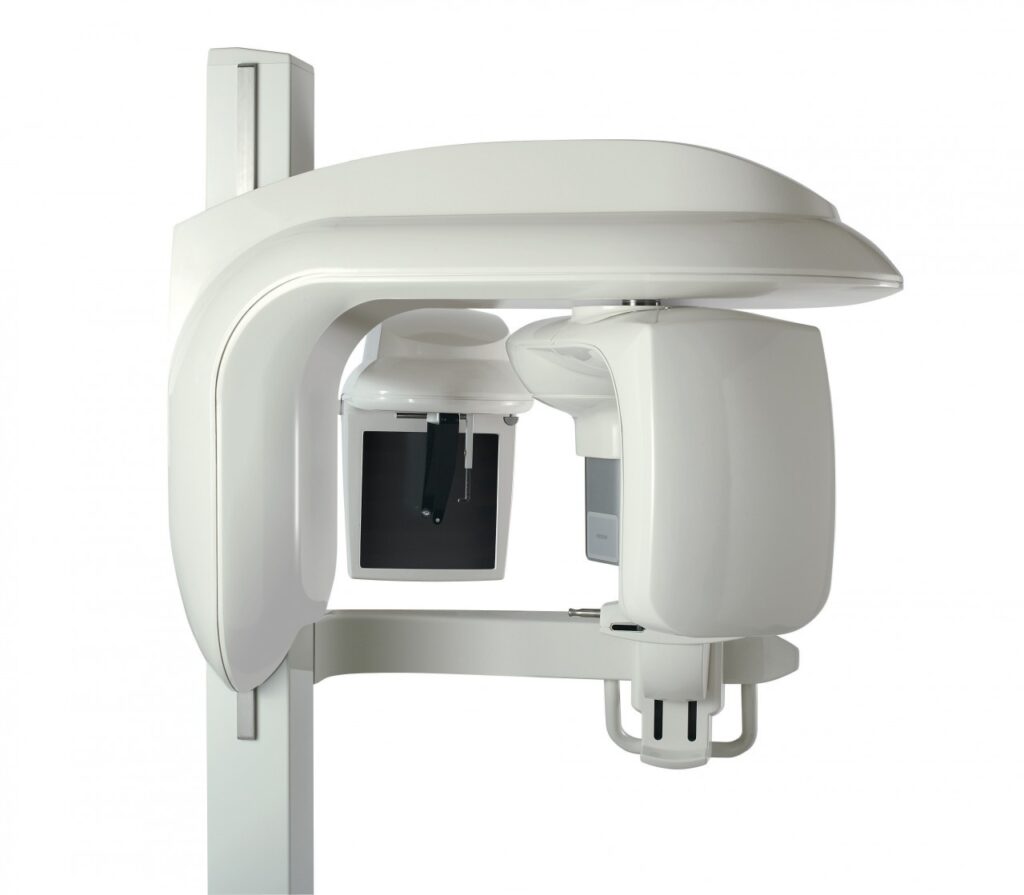
During the past months the dental market has been buzzing about CBCT Scanners and Ceph images. This is mainly due to the increased demand for CBCT scanners, and the superior imaging quality yet lower radiation doses it delivers. Initially, this new technology was only used to evaluate jaw bones (for implants or surgery), but quickly […]
Interview with Dr. Greenfield – Non extraction technique
Dr. Greenfield is the author of “Nonextraction Orthodontics, 98.5% Nonextraction Therapy using Coordinated Arch Development®“, a textbook that has been published in four different languages, and is now in its 2nd edition, with over 1,100 pages and 7,000 images. During the making of his textbook Dr. Greenfield made extensive use of CephX.com services to get […]
How do patients choose their Orthodontist

In this article, we have gathered the considerations that help parents and patients in general make up the final decision – who to choose as their Orthodontist. Awareness and knowledge – of the treatment’s importance, orthodontist’s existence Acknowledgement of orthodontists and their expertise is a vital first step. A patient must distinguish between a dentist’s […]